July 20, 2026
In today's fast-paced world, your vehicle is far more than just a convenient mode of transportation; it is an essential, high-value asset that underpins your daily personal and professional life. Ensuring its mechanical longevity through regular maintenance and timely diagnostics can save you thousands of dollars, eliminate roadside safety hazards, and keep your vehicle operating at peak efficiency. This article explores the various mechanical dimensions of regular auto repair and details how consistent servicing can exponentially extend the life of your vehicle. From understanding how minor fluid degradation impacts internal engine tolerances to analyzing the structural importance of skeletal components, we will cover the crucial areas every vehicle owner must monitor. By shifting from a reactive mindset to a proactive approach, you can maximize your vehicle's operational lifespan and secure a safe, comfortable ride.
Value Retention and Long-Term Value Factors
One of the most immediate benefits of scheduling regular auto repair and preventative maintenance is the substantial long-term financial savings it offers vehicle owners. Internal combustion engines and complex automotive drivetrains rely on hundreds of tightly synchronized moving parts that generate extreme heat and structural friction. Routine tasks such as oil changes, cooling system flushes, and filter replacements prevent minor wear points from cascading into catastrophic mechanical failures. For example, replacing a worn timing belt during a scheduled service interval is a minor expense; ignoring it can cause the belt to snap during highway transit, resulting in destroyed valves and an incredibly expensive total engine replacement. Adhering to a strict maintenance schedule transforms unpredictable emergency breakdown expenses into manageable, predictable maintenance investments.
Skipping or delaying regular service intervals directly accelerates the baseline depreciation of your automotive asset. When the time comes to sell or trade in your vehicle, prospective private buyers and dealership appraisers will rigorously evaluate its physical condition and historical service documentation. A clean vehicle backed by a complete, organized folder of professional auto repair receipts will always command a premium price on the secondary market.
Furthermore, routine inspections allow technicians to identify early signs of undercarriage corrosion, loose suspension bushings, and minor fluid leaks before they cause permanent structural damage or alter the vehicle’s driving dynamics. Investing a small amount of money into ongoing mechanical preservation keeps the car in a highly marketable, structurally sound condition, maximizing your equity retention over the years.
Dynamic Component Maintenance and On-Road Safety
An engine that is regularly inspected and properly tuned operates with far greater thermodynamic efficiency, translating directly to improved fuel economy and reduced tailpipe emissions. Over time, spark plugs degrade, fuel injectors accumulate carbon deposits, and air filters become clogged with airborne debris. These minor regressions alter the engine's critical air-fuel ratio, forcing the onboard computer to inject excessive fuel to compensate for the loss of airflow.
Addressing these system inefficiencies promptly through routine auto repair restores factory-grade combustion parameters. This proactive upkeep minimizes physical strain on the internal pistons, reduces the risk of expensive catalytic converter contamination, and guarantees that your vehicle continuously complies with regional state environmental emissions regulations.
The physical safety of your daily commute depends heavily on the operational health of your vehicle's suspension network, which manages directional stability and tire-to-road contact. This structural framework takes a massive beating from potholes, speed bumps, and rough road surfaces.
According to Chase, vehicle suspension systems have three main parts: rods, springs, and dampers. When dampers bleed out hydraulic fluid or control rods experience joint play, the vehicle's braking distances extend dramatically, and the tires can lift slightly off the pavement during sudden evasive steering. Scheduling specialized suspension inspections as part of your routine auto repair checklist allows technicians to swap out degraded bushings, worn struts, and loose ball joints. Keeping this skeletal system tightly calibrated ensures your vehicle tracks straight, responds predictably to driver inputs, and handles safely through challenging road conditions.
Critical Preventative Maintenance Focal Points
The hydraulic braking system is your vehicle's single most critical safety configuration, demanding uncompromising maintenance and expert oversight. Every time you press the brake pedal, sacrificial friction pads clamp down against heavy iron rotors to convert kinetic energy into extreme thermal energy. As these pads wear thinner than a quarter-inch, their ability to dissipate heat drops sharply, leading to severe rotor warpage and spongy pedal responsiveness. Timely brake inspections and proactive hardware replacements protect your calipers from binding, preserve original stopping distances, and eliminate high-pitched squeals before they transform into a destructive metal-to-metal grinding scenario.
Tires are the sole physical point of contact between your vehicle and the open road, making proper tire care an absolute prerequisite for highway safety. Neglecting correct inflation pressures and regular tire rotations causes rapid, uneven tread wear, forcing you to purchase expensive replacements prematurely.
Furthermore, hitting curbs can easily knock your vehicle’s front-end wheel alignment out of factory specifications. Incorporating precision digital alignments into your regular auto repair routine ensures that all four wheels roll completely parallel to one another. This vital adjustment eliminates steering pull, reduces rolling resistance, increases your miles-per-gallon metrics, and prevents premature fatigue across your structural steering components.
Administrative and Operational Compliance
Adhering to a documented, professional vehicle service schedule is a strict administrative requirement for preserving your original factory warranty. Modern vehicle manufacturers explicitly state that major mechanical claims involving internal engine or transmission failures can be legally denied if the vehicle owner fails to produce evidence of timely oil changes and routine inspections. Scheduling your ongoing maintenance with a licensed shop that logs service records ensures you remain in absolute compliance with these rigid corporate mandates. This disciplined record-keeping shields you from massive out-of-pocket expenses if an unexpected manufacturing defect manifests inside your powertrain components.
Harnessing Advanced Digital Diagnostics
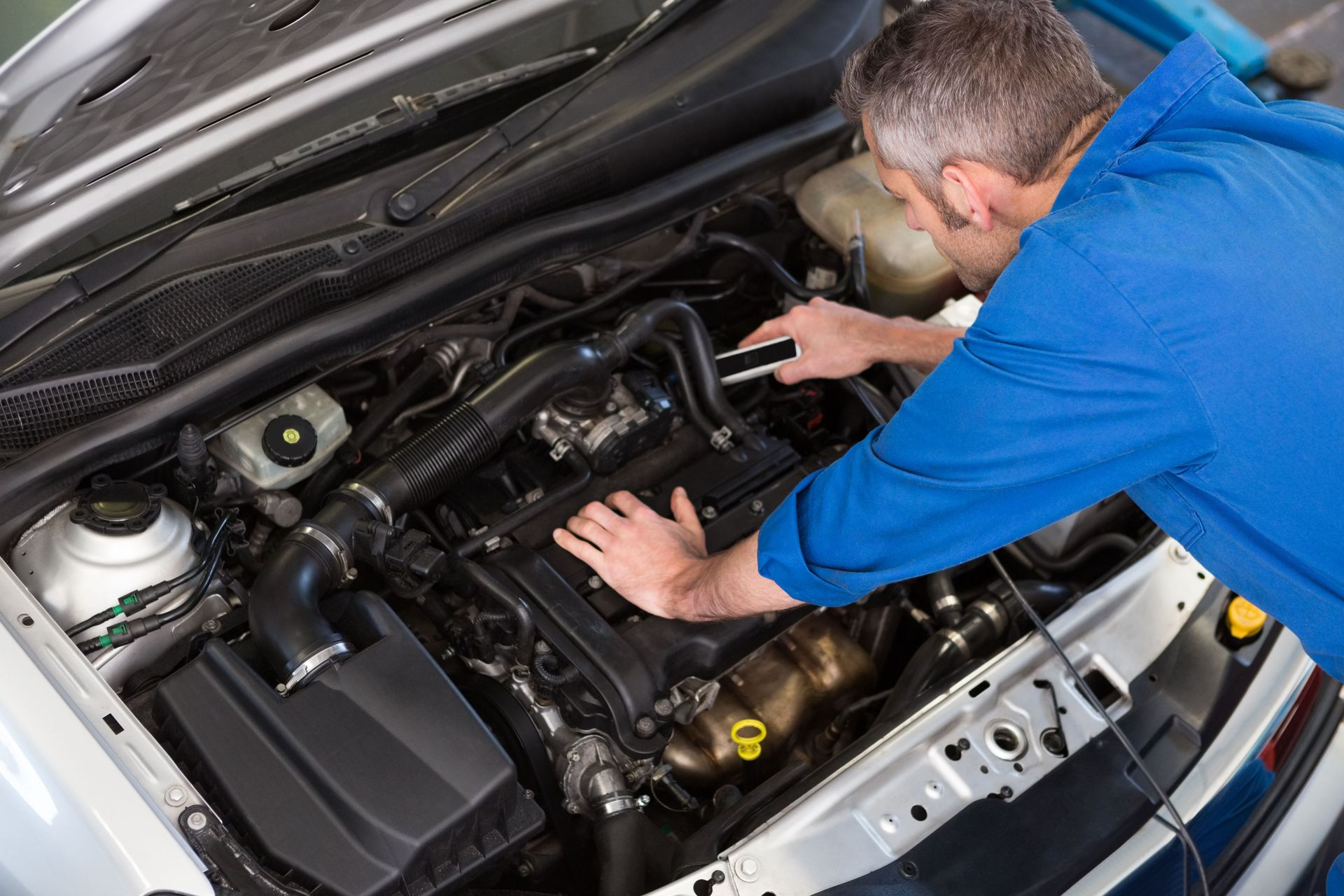
Modern automotive engineering relies heavily on multiplexed electronic control networks and onboard computers to manage daily powertrain efficiency. When a component begins to drift outside of its engineered operating parameters, the vehicle's computer registers a specific diagnostic trouble code long before a dashboard warning light illuminates. Incorporating routine digital vehicle scans into your scheduled auto repair intervals allows certified technicians to pull this valuable telemetry data early. Identifying these microscopic sensor deviations prevents minor electrical faults from cascading into sudden component failures that could leave you stranded on the highway.
Furthermore, advanced repair facilities utilize these diagnostic platforms to update your vehicle’s internal software frameworks, mirroring the performance patches common in modern electronics. These digital updates refine transmission shifting parameters, optimize hot-weather cooling fan speeds, and correct fuel delivery logic based on real-world manufacturing data updates. Relying on an automated diagnostic process removes the hazardous element of human guesswork from the repair bay, ensuring your vehicle receives precise mechanical solutions. Embracing these advanced technological diagnostic scans safeguards your engine's delicate circuitry and guarantees your vehicle operates at peak performance throughout its extended operational lifespan.
Maximizing the operational lifespan and safety metrics of your vehicle requires a steady, long-term commitment to comprehensive preventative maintenance, diagnostic scanning, and professional craftsmanship. Shifting your ownership philosophy away from emergency troubleshooting and toward ongoing auto repair preservation protects your financial equity, guarantees your vehicle passes stringent environmental checks, and ensures your critical safety features function flawlessly during unexpected on-road crises. Entrusting your vehicle to an independent repair facility that uses factory-certified diagnostic software and high-grade replacement parts provides total confidence on every journey. When you are ready to secure your automotive investment and need a highly experienced team that pairs technical precision with honest customer service, look no further than the certified technicians at Collins Auto Repair to service your vehicle and keep your family safe on the road ahead.