
Collins Auto Repair in Albert Lea, MN, explains how to tell whether your vehicle is safe to keep driving.
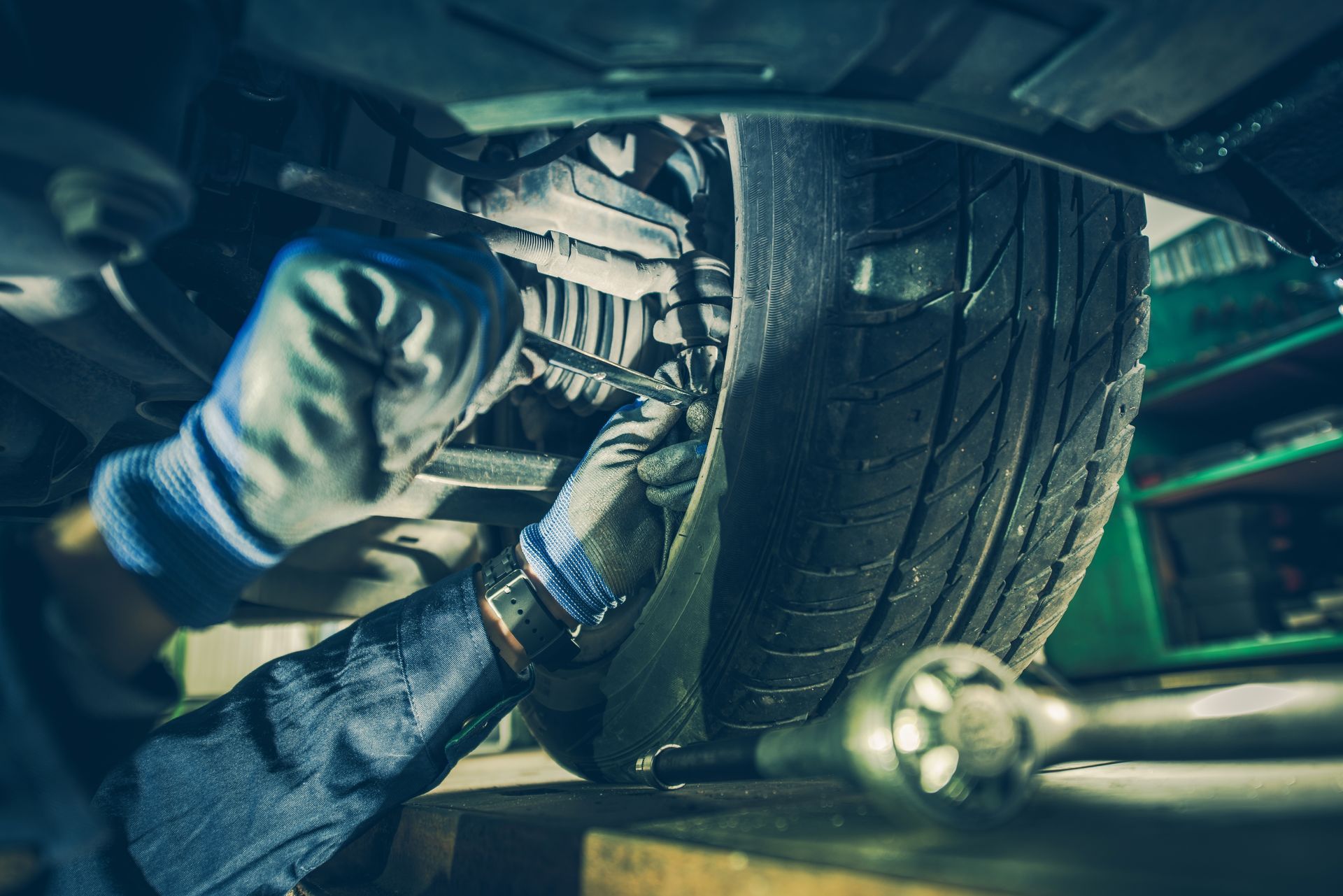
A vehicle is more than a means of transportation—it’s an essential part of daily life. From commuting to work and school to running errands and planning road trips, a reliable car keeps your schedule on track. When something starts to go wrong, even small issues can disrupt your day, create safety concerns, and lead to more expensive problems if ignored. Recognizing early warning signs can help you avoid costly repairs and unexpected breakdowns by seeking a professional auto repair service when it matters most. Many drivers overlook early symptoms because they seem minor at first. A faint noise, an unfamiliar smell, or a slight change in performance can feel harmless, yet these can be early indicators of developing mechanical problems. Understanding what to look for helps you take proactive steps to protect your investment and stay safe on the road. Pay Attention to Unfamiliar Sounds and Noticeable Vibrations One of the earliest indicators that something may be wrong with your vehicle is unusual noise. Grinding, squealing, knocking, or clunking sounds can indicate a wide range of problems. These noises may point to worn brakes, failing suspension components, or internal engine issues. If the sound appears suddenly or gets worse with time, it’s a sign that your vehicle needs professional attention. Vibrations are another common symptom of mechanical trouble. You might feel shaking through the steering wheel, floor, or seat. This can indicate problems with wheel balance, worn tires, suspension damage, or engine misfires. Even if the vehicle remains drivable, vibrations often indicate wear that will worsen if ignored. Pay close attention to when and where the noises occur. For example, a grinding sound during braking may point to brake pad wear, while clunking over bumps may indicate suspension trouble. Pinpointing these details can help a technician diagnose the issue more quickly and accurately. Environmental conditions can also play a role in unusual sounds or vibrations. Rough road surfaces, temperature changes, and moisture exposure can accelerate wear on certain parts, making early detection even more important. By understanding how these factors affect your vehicle, you can better identify when something is wrong. Ignoring strange sounds or vibrations can lead to expensive damage. Addressing them early through a professional auto repair service helps prevent more extensive repairs and keeps your vehicle running safely and smoothly. Take Dashboard Warnings and Indicator Lights Seriously Modern vehicles are equipped with advanced onboard diagnostic systems designed to detect problems before they escalate. Dashboard warning lights serve as early warnings that something requires attention. Common indicators include the check engine light, oil pressure warning, battery alert, and tire pressure monitor. When one of these lights illuminates, it’s a clear signal that a system needs evaluation. The check engine light is especially important because it can indicate issues ranging from minor sensor malfunctions to major engine or emissions problems. While some causes may be simple, ignoring the light can allow underlying issues to worsen. Prompt diagnostics ensure small problems don’t develop into major failures. According to Consumer Affairs, light trucks and passenger vehicles in the United States have an average age of 12.5 years. As vehicles age, the likelihood of mechanical or electronic issues increases, making dashboard warnings even more significant. Paying attention to alerts becomes more important as mileage and wear accumulate over time. Some warning lights may signal immediate danger, while others allow time to schedule a repair. However, ignoring any indicator for too long can lead to system failure or unsafe driving conditions. A quick diagnostic check can help determine the urgency and prevent long-term complications. A diagnostic scan by a qualified technician helps pinpoint the exact cause of warning lights. Seeking a professional auto repair service allows issues to be identified and resolved quickly, preventing further damage and maintaining the safety and reliability of your vehicle. Notice Shifts in Driving Performance and Fuel Efficiency Noticeable changes in how your vehicle performs can be a strong indicator of underlying issues. If acceleration feels sluggish, the engine struggles to maintain power, or the transmission shifts unpredictably, these could be signs of engine or transmission trouble. Addressing these symptoms early helps avoid breakdowns and more expensive repairs. Handling changes is another major warning sign. If the steering feels loose, the vehicle pulls to one side, or braking feels less responsive, these may point to alignment problems, brake system wear, or suspension damage. Since these systems directly impact safety, prompt inspection is essential. Fuel efficiency can also reveal hidden problems. A sudden drop in gas mileage may be caused by failing sensors, clogged filters, ignition problems, or fuel system issues. Tracking fuel consumption over time can help detect early warning signs before the problem becomes severe. Driving habits and road conditions can also affect performance. Heavy traffic, frequent stop-and-go driving, and towing heavy loads put extra stress on the engine and drivetrain. Over time, these conditions can accelerate wear and increase the likelihood of mechanical problems. If you notice a decline in performance, responsiveness, or efficiency, seeking a professional auto repair service ensures your vehicle receives proper diagnostics and repairs before the issue escalates. Early intervention helps maintain smooth driving and reduces long-term repair costs. Watch for Leaks, Odors, and Visible Signs of Trouble Fluid leaks are one of the clearest signs that your vehicle needs attention. Different fluids serve critical roles in engine lubrication, cooling, braking, and steering. Oil leaks, coolant drips, transmission fluid loss, and brake fluid leaks can all lead to major mechanical failure if not addressed. Spots on your driveway or garage floor should never be ignored. Unusual odors can also signal trouble. A burning smell may indicate overheated components, worn brakes, or electrical issues. Sweet smells often point to coolant leaks, while fuel odors may indicate problems with the fuel system. These smells are important indicators that something is wrong under the hood. Smoke is an even more urgent sign of trouble. Blue smoke can indicate oil burning, white smoke may signal coolant entering the engine, and black smoke often points to fuel system problems. Each of these conditions requires immediate attention to prevent further damage. Visual inspection under the hood can also help identify problems early. Cracked belts, worn hoses, or visible corrosion around the battery can signal potential issues. Addressing these problems before they escalate can prevent breakdowns and extend the life of your vehicle. When leaks, smells, or smoke appear, it’s important to act quickly. A professional auto repair service can diagnose the source, repair damaged components, and prevent further mechanical complications. Recognizing the warning signs that your vehicle needs repair is one of the most effective ways to protect your investment and ensure safety on the road. Strange noises, warning lights, performance issues, fluid leaks, and unusual smells should never be ignored. Paying attention to these indicators allows problems to be addressed early, preventing larger repairs and unexpected breakdowns. Routine inspections and timely repairs extend the life of your vehicle and improve overall reliability. By staying alert to changes in your car’s performance and seeking a qualified auto repair service when needed, you can avoid costly repairs, maintain safety, and enjoy a smoother driving experience for years to come. If your vehicle is showing signs of trouble, don’t wait until the problem gets worse—contact Collins Auto Repair for a reliable auto repair service that keeps you safely on the road. A visit with us can help prevent costly breakdowns and keep your car running smoothly.